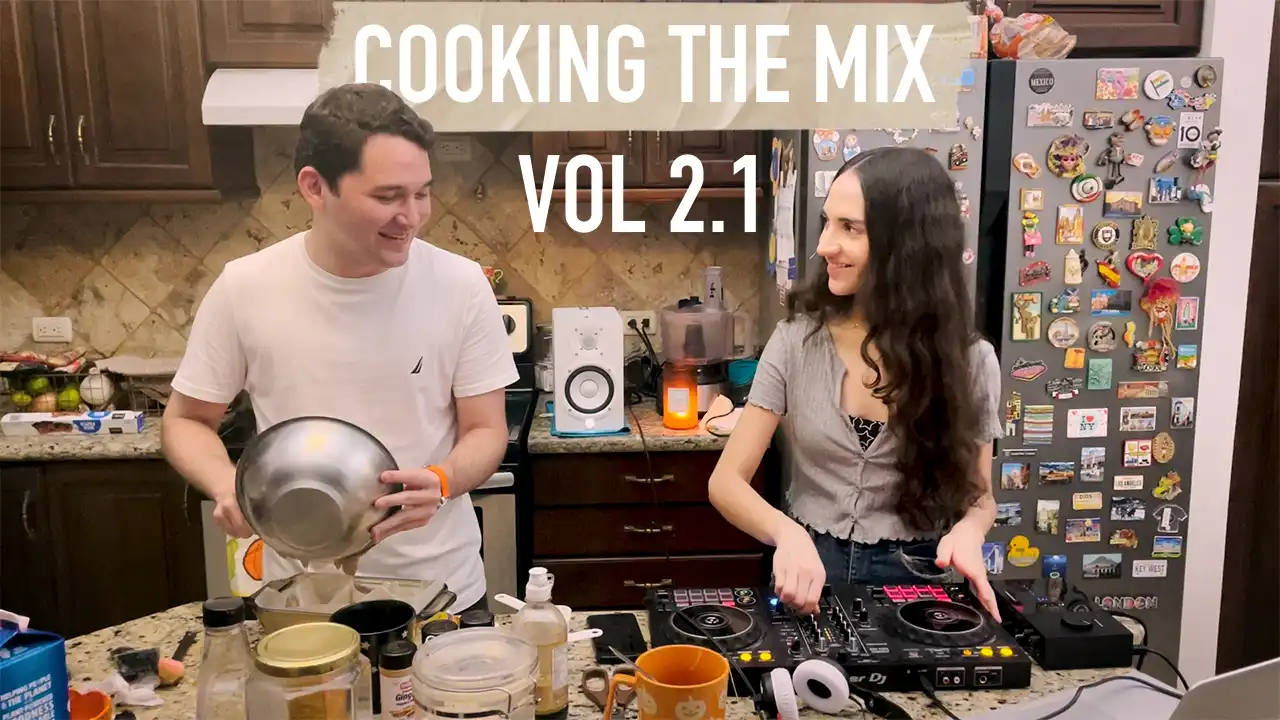
How to DJ — Everything You Need to Know Before You Start
How to DJ — Everything You Need to Know Before You Start
DJing looks intimidating from the outside. Two decks, a mixer, hundreds of tracks, a crowd watching your every move. But break it down and it’s a skill like any other — learnable, methodical, and deeply rewarding once it clicks.
I’ve been DJing since 2015. Here’s what I wish someone had told me before I started.
What DJing Actually Is
At its core, DJing is the art of sequencing music in a way that keeps people moving and feeling something. Everything else — the gear, the techniques, the effects — is in service of that goal.
The technical skills (beatmatching, EQ mixing, transitions) take weeks to learn at a basic level, months to get comfortable with, and years to truly master. But you can start performing publicly long before you’ve mastered everything.
Gear: What You Actually Need
The bare minimum to start:
- A laptop
- DJ software (rekordbox, Serato, or Virtual DJ — more on this below)
- A pair of closed-back headphones
That’s it. You can learn beatmatching, phrasing, EQ blending, and basic transitions entirely in software before buying hardware.
When to add a controller:
Once you understand the basics in software, a controller makes practice more intuitive and performance more physical. The Pioneer DDJ-400 (or its successor, the DDJ-FLX4) is the most common entry point. Expect to spend $200–350 for a solid beginner controller.
Choosing Your Software
rekordbox — Made by Pioneer, the dominant hardware brand in clubs worldwide. Free for basic mixing. If you ever play in a real club, your rekordbox workflow transfers directly to CDJs. This is my recommendation for most people.
Serato DJ Lite — Free, industry-standard in many clubs, especially in the US. If you’re targeting club work, Serato is worth learning.
Virtual DJ — Most beginner-friendly with strong auto-sync. Good to learn the feel of DJing, but don’t rely on the auto features as a crutch.
The Core Skills
1. Beatmatching
Making two tracks play in perfect rhythmic sync. This is the foundational skill. Learn to do it manually (without pressing sync) — even if you use sync in performance, understanding BPM and phase will save you when things go wrong live.
2. Phrasing
Tracks are built in 8 and 16-bar phrases. Good DJs transition at phrase boundaries so the music flows naturally. Bad transitions happen when you blend mid-phrase — it sounds jarring. Learn to hear and count phrases before anything else.
3. EQ Mixing
Using the bass, mid, and treble knobs to blend two tracks smoothly. The most common technique: cut the bass on the incoming track while it enters, then swap when the transition feels right. This is what separates DJ mixes from just playing two songs at the same time.
4. Headphone Cueing
Listening to the next track in your headphones while the current one plays out to the crowd. This is how you prepare transitions in real time. It takes coordination to get comfortable with, but becomes second nature.
A Practice Plan for Your First Month
Week 1: Learn the software. Load tracks, navigate the interface, mess around with EQ. No pressure — just get comfortable.
Week 2: Beatmatch every day. Pick two tracks at similar BPMs (120–130 range is ideal — house music is perfect for beginners) and match them manually. Do this for 30 minutes a day.
Week 3: Work on transitions. Focus on timing them to phrase boundaries. Record everything so you can listen back critically.
Week 4: Record a full 30-minute mix. Listen to it the next day. Note every mistake. Those are your practice targets for month two.
What Music Should You Play?
Play music you know deeply. Your intimate knowledge of a track — where the energy builds, where the drop hits, how the outro fades — is what lets you make decisions quickly. Trying to DJ with unfamiliar music is a recipe for bad transitions.
As you practice more, your taste develops, your library grows, and your style emerges naturally.
The Most Important Thing
Start now. Open your software, load two tracks, and make them play together. Every hour you spend reading about DJing instead of doing it is an hour lost.
The DJs who get good fastest aren’t the most naturally talented — they’re the ones who practice the most and listen to the most music.
Check out my YouTube channel for tutorials, live sets, and gear reviews.